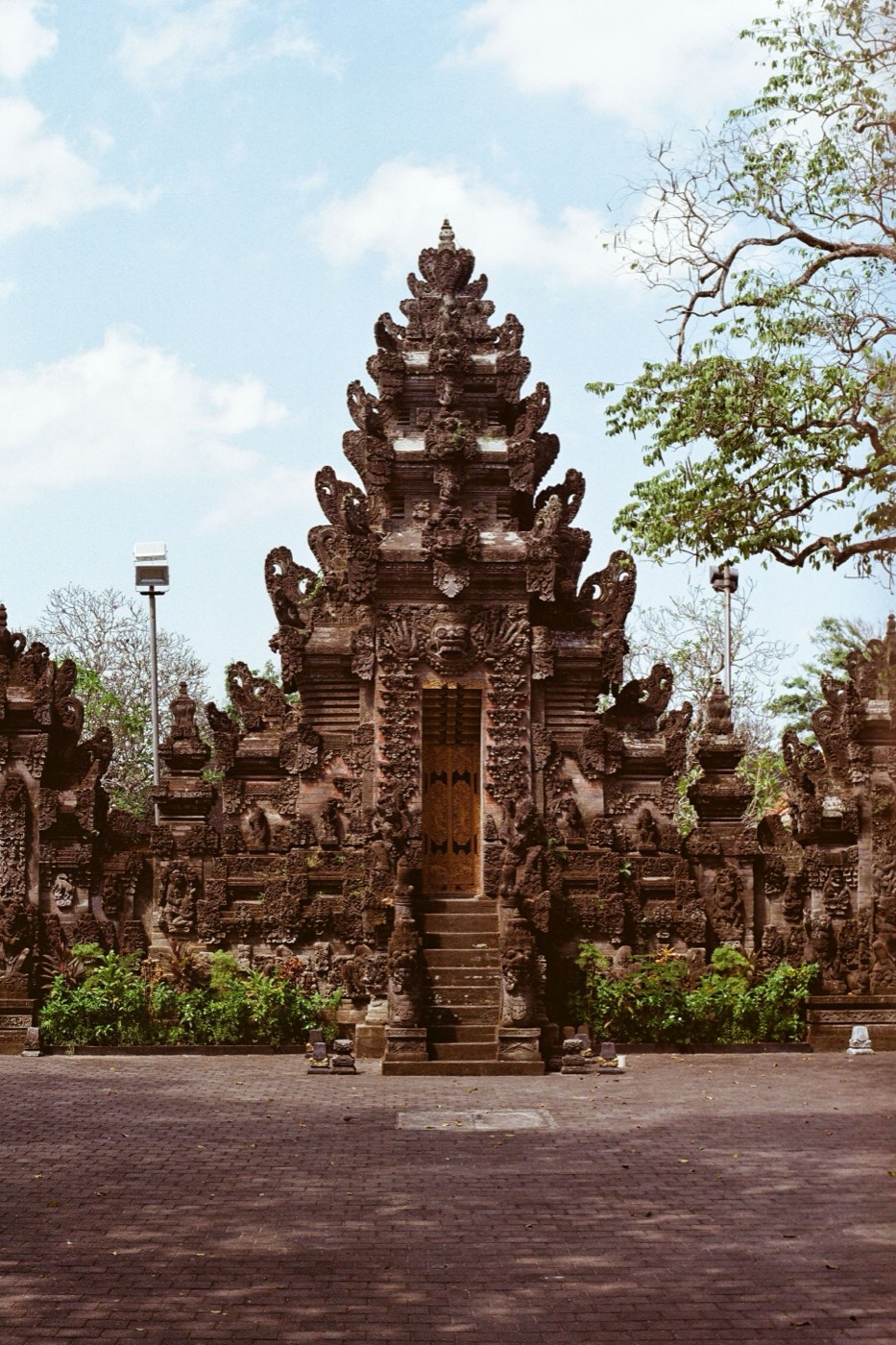
There are said to be more than ten thousand temples on Bali. You will pass dozens without noticing, because many of them are simply the family compound of the people who live there. The rules are not complicated and nobody expects you to know them by heart. But getting them right changes how you are received, immediately.
Cover your legs, always
A sarong and a sash around the waist, men and women both. Every temple that receives visitors lends them at the entrance, and I carry spares in the car. Shoulders covered is appreciated, in the bigger temples it is expected.
Do not wear the sarong over a swimsuit. It reads as not caring, and people notice.
The rule people find awkward
Women who are menstruating do not enter the temple grounds. It is not about cleanliness in the way it sounds in English, it is about blood in a sacred space, and the same rule keeps out anyone with an open wound and anyone who has had a death in the family in the last weeks.
There is no checking and no discussion. You are trusted to respect it. If you would rather not, wait outside and I will walk you through what you are looking at from there.
Height and offerings
Do not stand higher than the shrine, and do not climb on the walls for a photo. It is the single thing that upsets people most, and it happens every day at the famous gates.
The small woven baskets on the ground are canang sari, offerings made fresh that morning. Step around them, never over them. If you accidentally kick one, it is not a catastrophe, just do not photograph yourself doing it.
During a ceremony
If a ceremony is happening, you are often still welcome, quietly and at the back. Do not walk between a praying person and the shrine. Do not put a camera in a praying face. Sit lower than the priest.
I will tell you when a ceremony is worth changing the plan for. Some of the best days I have driven were the ones where we threw the itinerary away because the village next door was celebrating.